
A property owner notices something frustrating every spring. The side-by-side can reach the far end of the pasture, but the tires leave deep grooves in the wet soil. Those ruts collect water, become harder to cross, and may require repairs once the ground dries.
The vehicle completes the journey, yet the land pays the price. For people who use side-by-sides on farms, rural properties, and seasonal access trails, protecting the ground can be almost as important as reaching the destination. That is one reason UTV tracks deserve consideration beyond their familiar role in winter recreation.
A Wider Footprint Changes the Relationship With the Ground
Conventional tires concentrate a vehicle’s weight into four relatively small contact areas. When soil becomes saturated or snow loses its supporting strength, those contact patches can sink.
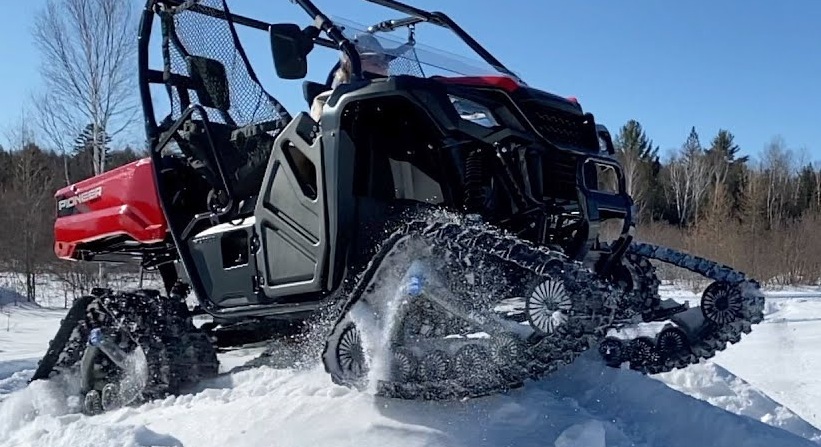
Track assemblies distribute weight across a substantially larger surface. This reduces average ground pressure and can help a vehicle travel over soft terrain with less sinking and rutting.
The advantage is particularly useful when crossing pastures, accessing remote buildings, or maintaining trails during wet conditions. However, tracks do not eliminate ground damage. Aggressive turning, repeated passes, and saturated soil can still disturb vegetation and create ruts.
Why Traction and Ground Protection Aren’t the Same Thing
A machine can have excellent traction while still damaging the surface beneath it. Deep tire lugs may provide enough grip to move through mud, but they can also dig into vulnerable soil.
UTV track systems use a longer contact patch to distribute weight while their tread engages the ground. The combination can improve flotation and forward movement, although performance depends on track design, vehicle weight, and surface conditions.
Owners comparing tracks for UTVs should consider whether their main concern is deep snow, loose ground, muddy access routes, or a combination of conditions. The best equipment for one environment may not be ideal for another.
The Hidden Importance of Vehicle Clearance
Ground clearance becomes particularly valuable when traveling over uneven surfaces concealed beneath snow or mud.
According to published manufacturer information, Camso’s 4S1 track system provides approximately five additional inches of clearance compared with tires.
Kimpex reports increases of around six inches for the HD4 and 5.5 inches for the WSS4. These are general manufacturer figures rather than guaranteed measurements for every vehicle. Additional clearance can help with certain obstacles, but it does not remove the need to inspect unfamiliar terrain or operate cautiously.
When Greater Access Requires Different Driving Habits
Side by side tracks also change how a vehicle behaves. The additional rotating weight and rolling resistance typically reduce travel speed and increase fuel consumption.
Drivers should follow vehicle and track manufacturer recommendations, particularly concerning low-range operation, speed limits, and maintenance.
Extended travel on abrasive pavement or gravel can accelerate rubber track wear. For owners considering side by side track systems, these operating limitations deserve as much attention as the potential traction benefits.
Protecting the Land Starts With Choosing the Right Equipment
ATVTracks.net offers four UTV track options: Camso ENDUR, Camso 4S1, Kimpex HD4, and Kimpex WSS4. Each serves different vehicle categories and operating requirements. The appropriate choice depends on the machine’s exact make, model, and year, along with its weight and intended use.
Vehicle-specific mounting kits are essential, so compatibility should always be confirmed before purchasing.
For property owners, the value of tracks may be measured less by how far they can travel and more by what remains afterward. Reaching a remote location without repeatedly cutting deep ruts through vulnerable ground can make seasonal access more practical while reducing avoidable surface disturbance.